
 Timeless Wedding Elegance: Pure Silver Hair Accessories and Graceful Muhurtham Sarees
  Exploring the High-Tech Infrastructure of Funinjeet
  Situations Where Renting a Crane Is the Best Choice
  5 Reasons Fiber-Optic Internet Outperforms Other High-Speed Options
  How do online slot reel modifiers alter symbol arrangements?
  Outdoor Living Made Better with patios wollongong
  Unlocking Digestive Clarity: The Role of Food Inflammation Testing in Modern Health
  How does digital dating change social interaction?
  How do reel configurations differ across online slot variations?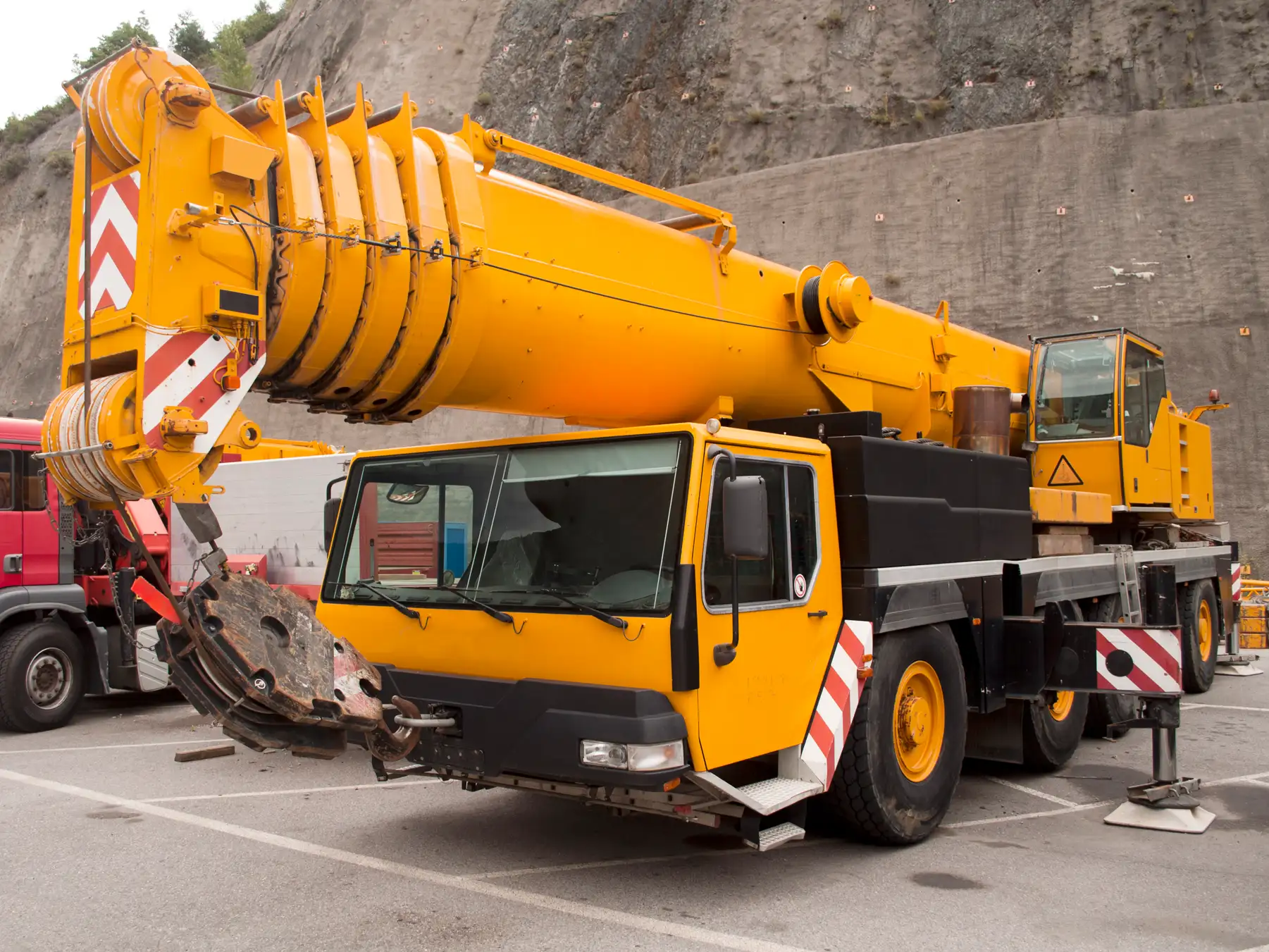
Crane work can make a project safer and faster when heavy materials must move with precision. The right machine can reduce labor strain and keep placement accurate near structures. Renting becomes attractive when the lift window is short, or equipment needs change.
Project managers also want a fleet option that matches site conditions and load requirements. Rentals give access to specialized units like all terrain cranes without permanent ownership costs. The situations below show when renting makes the most sense for modern job sites.
Short-Term Lifts With Tight Schedules
Some jobs require a crane for a single day or a limited weekend window. Renting avoids long-term costs when the lift plan includes only a few critical picks. This approach keeps budgets aligned with actual equipment use.
Short rentals also help when a project has a firm deadline and limited flexibility. A scheduled delivery and pickup can keep the site clear for other trades. It also reduces storage and security concerns when the crane is not needed.
Remote Sites and Challenging Access Conditions
Sites with rough ground and limited access can require equipment built for uneven terrain. Renting gives you options that fit the route to the site and the setup footprint. This flexibility supports safe positioning and stable lift planning.
A provider can also help match the crane to soil conditions and outrigger needs. Correct selection reduces delays caused by repositioning and repeated setup attempts. Better access planning can also reduce safety risks near slopes and soft ground.
Projects With Varying Load Sizes and Reach Needs
Some job phases require long reach, while others require higher capacity at short radius. Renting allows you to choose the best crane for each phase without compromise. This strategy can improve efficiency and keep lifts within safe chart limits.
It also helps when a project scope changes after engineering updates or late deliveries. You can adjust crane size and configuration to match the revised plan. This flexibility can prevent costly downtime and rushed work.
Sites That Need Expert Support and Compliance
Crane setup requires load charts, site checks, and clear communication with rigging crews. Rental providers can supply guidance that supports safer picks and cleaner job coordination. This support matters when the site has strict rules and tight work zones.
Some rentals also include certified operators who understand signaling protocols and lift planning. Skilled operation reduces swing risk and improves placement accuracy near equipment pads. This level of support can protect the schedule and reduce job site incidents.
When Ownership Costs Do Not Match Project Volume
Buying a crane can bring storage, insurance, maintenance, and transport costs that add up fast. Renting keeps expenses tied to active projects, which helps cash flow planning. This model works well for contractors with seasonal work patterns.
It also reduces long-term risk when equipment sits idle between contracts. Rental providers maintain the fleet and handle service requirements. You gain access to reliable equipment without carrying permanent overhead.
Specialized Lifts That Need the Right Machine
Certain picks require specific capabilities for uneven ground, tight turns, and mixed road travel. In those cases, all terrain cranes can provide mobility and lift power within a single unit. Renting allows you to use that capability only when the job truly needs it.
Specialized lifts also include mechanical placement, steel setting, and heavy equipment unloading. The correct crane can reduce repositioning and improve the pace of work. A rental provider can confirm capacity needs and match the machine to the lift plan.
Renting a crane makes sense when lift windows are short, site conditions are difficult, or the project needs change. The right rental choice can improve safety, control costs, and keep work on schedule. With proper planning and the right equipment, renting becomes a practical project advantage.