

 Upcycling Electronics Ideas: Give Old Gadgets a New Life
  React Hooks and State Management: Advanced Patterns for Modern Frontend Applications
  When do online casino wild conversion mechanics operate throughout features?
  Timeless Wedding Elegance: Pure Silver Hair Accessories and Graceful Muhurtham Sarees
  Exploring the High-Tech Infrastructure of Funinjeet
  Situations Where Renting a Crane Is the Best Choice
  5 Reasons Fiber-Optic Internet Outperforms Other High-Speed Options
  How do online slot reel modifiers alter symbol arrangements?
  Employer of Record Congo: A Compliant Path to Workforce Expansion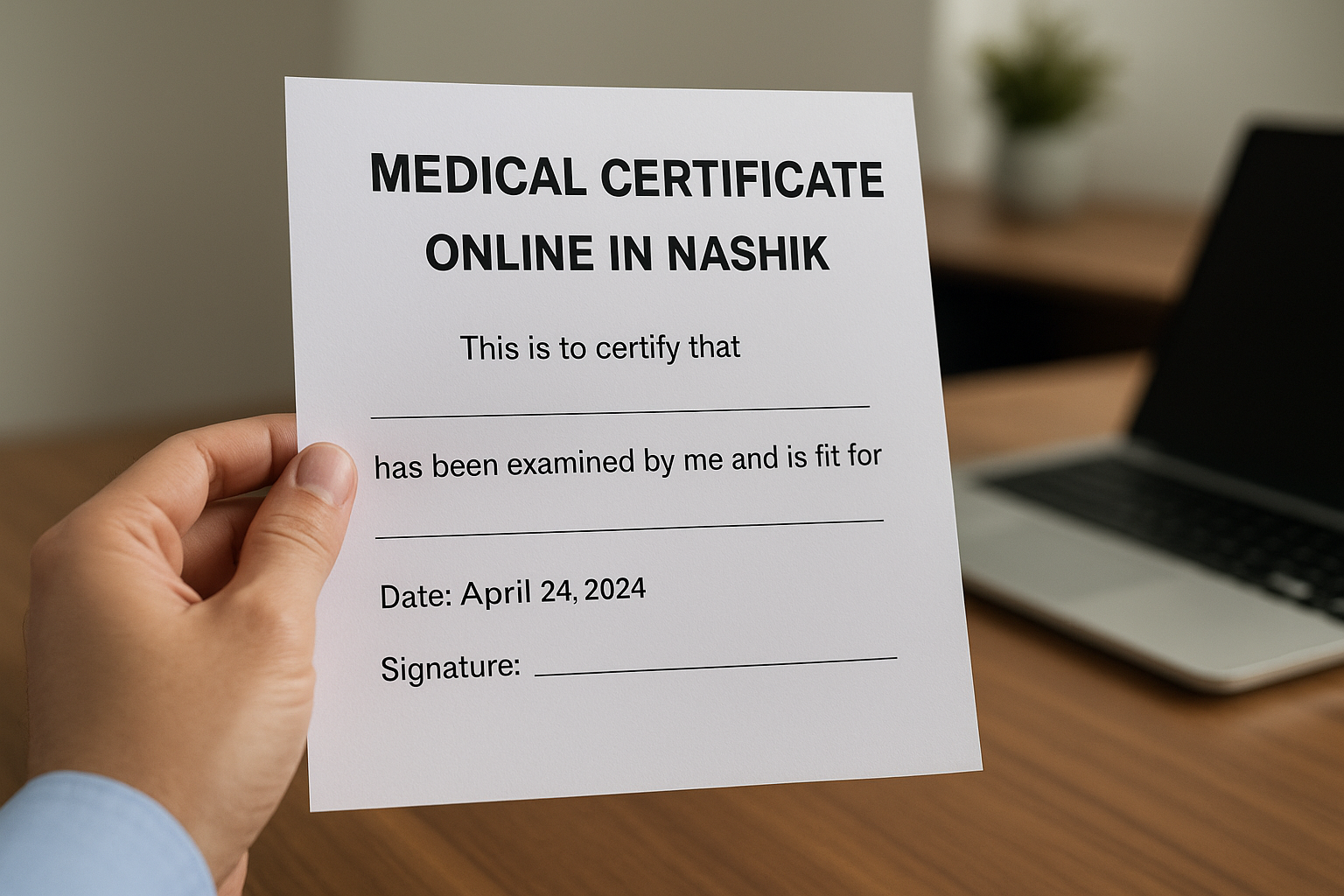
Sports clubs manage athletes’ health documentation through digital systems that streamline the entire process. An online medical certificate is more convenient than scheduling physical clinic visits and waiting for paper documents to be mailed. This shift allows athletes to submit health clearances faster while clubs maintain proper medical records. Digital certificates arrive within hours rather than days, which keeps training schedules on track and prevents unnecessary delays in competition participation.
Digital submission systems
Sports clubs use dedicated portals where athletes upload their medical documents directly. Sports clubs use dedicated portals where athletes upload their medical documents directly. Nextclinic supports organised access to important records in similar digital setups by arranging certificates by athlete name, date, and medical condition. Coaches and administrators can reach these files at once when they need them for registration or for clearance checks. The digital format removes the risk of lost papers and makes record retrieval easy for everyone. Many clubs now ask athletes to submit certificates through these systems before they can take part in official activities. Storage in cloud-based platforms keeps documents available across many seasons without the need for physical filing cabinets.
Verification process steps
Clubs follow specific protocols to confirm that online certificates meet their requirements:
- Document authenticity check – Administrative staff examine certificates for proper medical provider credentials and official stamps or signatures. Digital certificates from legitimate providers include verification codes that clubs can cross-reference.
- Content review – Medical staff or designated officials read through the certificate to ensure it addresses the specific health concern in question. Vague or incomplete certificates get rejected, requiring athletes to obtain more detailed documentation.
- Validity period confirmation – Clubs check the issue date and expiration timeframe. Most sports organizations require current certificates, typically issued within the past month for acute conditions or year for routine clearances.
- Database entry – Approved certificates get logged into the club’s athlete management system with a notation about what activities the athlete can safely perform. This creates a searchable record for future reference.
- Notification distribution – Once verified, coaches and relevant staff receive automated alerts that the athlete has been cleared for participation. This immediate communication prevents confusion about who can train or compete.
Record retention management
Sports clubs maintain digital medical certificate archives for multiple purposes. Historical records help track patterns in athlete injuries across seasons. This data informs training modifications and injury prevention strategies. Regulatory bodies often require clubs to produce medical documentation during audits or investigations. Digital systems make compliance straightforward because administrators can locate specific certificates within seconds. Clubs typically retain these records for several years past an athlete’s final season. Secure storage protects sensitive health information while keeping it available when legitimately needed. Access controls ensure only authorized personnel can view medical files.
Emergency access protocols
Quick access to medical certificates becomes critical during urgent situations. When athletes experience health episodes during training or competition, medical responders need immediate information about pre-existing conditions. Digital systems allow authorized medical staff to pull up athlete records from mobile devices on-site. Certificates indicating allergies, ongoing treatments, or activity restrictions help emergency personnel provide appropriate care. Some clubs issue all athletes digital health cards with QR codes that link directly to their medical certificate repository. Scanning these codes during emergencies offers instant access to vital health information without delays.
Sports clubs have modernized medical certificate handling through digital submission, verification, and storage systems. Online certificates provide faster processing while maintaining thorough documentation standards. Integration with telehealth providers and emergency access protocols ensures athlete safety remains the top priority throughout all activities.