

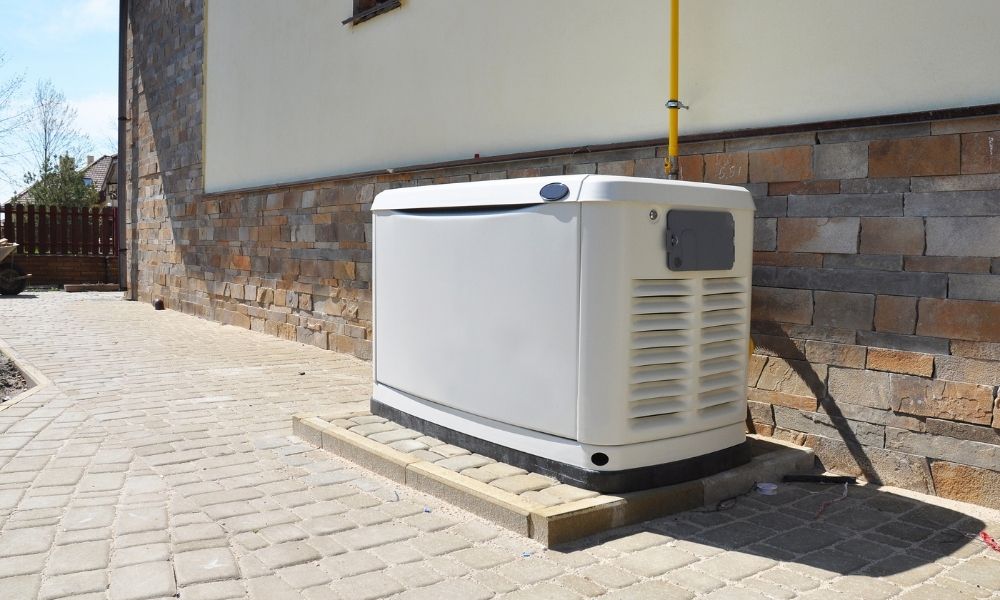
A home standby generator provides automatic backup power the moment a blackout strikes. Homeowners invest in this equipment for security and comfort during extended utility failures. A common and critical question concerns the system’s limits for continuous operation.
The duration a generator can operate depends on a combination of mechanical design and logistical support. Many potential buyers seek a clear answer to the question ” how long can you run a generator ?” before making a purchase. This article examines the factors that define and limit a standby generator’s operational window.
Fuel Supply Type and On-Site Capacity
The generator’s fuel source is the primary dictator of its potential maximum running time. Units connected to a natural gas line theoretically possess an unlimited fuel supply from the municipal utility. This connection allows for continuous operation as long as the broader gas infrastructure remains intact during a disaster.
Propane-powered models rely on a large storage tank buried or placed on the property. The tank’s gallon capacity and the generator’s consumption rate determine the total available runtime. Liquid propane provides substantial running time but requires eventual refueling by a delivery service.
Engine Design and Cooling System Efficiency
Home standby generators feature robust, liquid-cooled engines similar to those in automobiles. This advanced cooling system with a radiator and coolant fluid manages high operating temperatures far better than air-cooled portable units. The liquid cooling design allows the engine to sustain its performance over many days without overheating risks.
Engineers build these motors for durability under constant load, not just intermittent use. This industrial-grade construction supports the extended operation homeowners expect during multi-day regional outages. Proper installation with adequate airflow around the unit further ensures optimal cooling performance.
Manufacturer Guidelines and Recommended Service Intervals
Each generator model comes with specific operating instructions from its manufacturer. These guidelines state the unit can run continuously provided routine maintenance schedules receive attention. The manual specifies a maximum recommended runtime before an oil change or other essential service check becomes necessary.
This interval might range from several days to a week or more of constant operation, depending on the model. Adherence to these service protocols prevents excessive wear that could cause a premature failure. Following the manufacturer’s directions protects the equipment’s warranty and long-term reliability.
Scheduled Maintenance for Extended Operation
Even during a prolonged outage, a generator requires periodic stops for basic maintenance to remain healthy. The most common need is an oil change after a set number of operational hours, as specified in the owner’s manual. Technicians also check air filters, coolant levels, and battery charge during these service pauses.
These brief maintenance windows are planned interruptions, not a sign of system failure. A professional maintenance plan typically includes emergency service provisions for major weather events. This proactive care ensures the unit can restart and continue running safely after its required service.
External Factors and Load Management Practices
Conditions beyond the machine itself can influence its effective operational duration. Managing the electrical load by prioritizing essential circuits reduces strain on the generator. A lower average load decreases fuel consumption and places less thermal stress on the engine components.
Extreme ambient temperatures, whether very hot or very cold, can also affect performance and efficiency. The quality and stability of the fuel supply, especially for propane, remain a crucial external variable. Smart usage and awareness of these factors help maximize the practical running time during an actual emergency.
A standby generator’s runtime is a function of its fuel source, engine design, and adherence to service rules. Natural gas units offer the longest potential duration, while propane systems provide substantial but finite operation. Homeowners find their specific answer to “how long can you run a generator?” within their unit’s manual and fuel logistics plan. Proper maintenance and load management further support reliable long-term performance.