

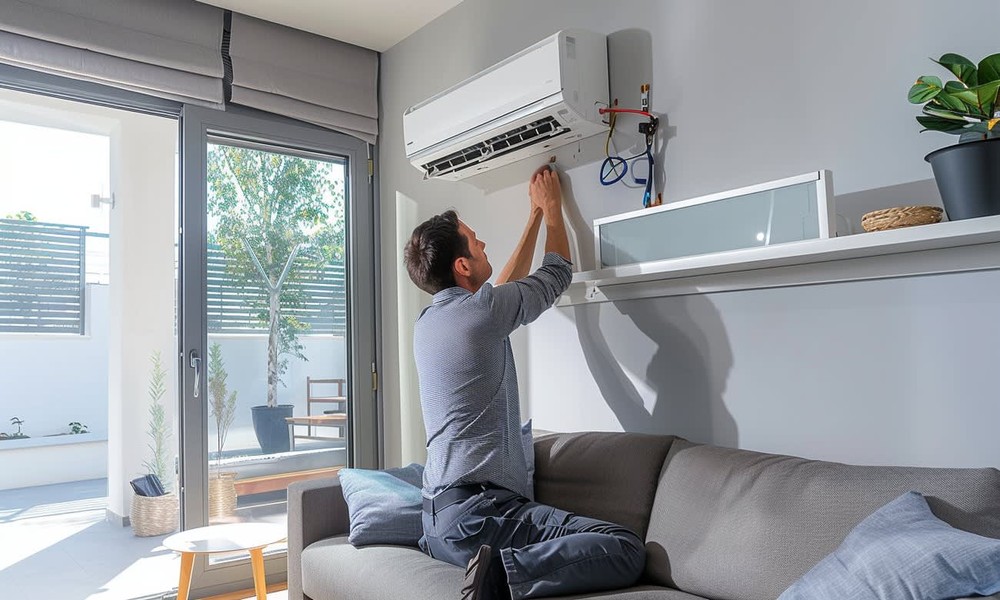
As temperatures begin to rise, your air conditioning system quickly shifts from being a background appliance to an essential part of daily comfort. Preparing your AC unit before peak season is not just about staying cool-it’s about improving efficiency, lowering energy bills, and avoiding costly breakdowns when you need it most. A proactive approach now can save both time and money later.
One of the easiest ways to stay on top of seasonal upkeep is by following a structured AC maintenance Spring checklist. This ensures that no critical step is overlooked and helps homeowners maintain optimal performance throughout the warmer months.
Why Spring AC Maintenance Matters
Spring is the ideal time to prepare your cooling system. After months of inactivity or limited use, your AC unit may have accumulated dust, debris, or minor wear that can affect performance.
Regular maintenance offers several benefits:
- Improves energy efficiency and reduces utility costs
- Extends the lifespan of your HVAC system
- Enhances indoor air quality
- Prevents unexpected breakdowns during peak heat
Ignoring early maintenance can lead to reduced cooling capacity and increased strain on system components, ultimately resulting in higher repair costs.
Key Signs Your AC Needs Attention
Before diving into maintenance tasks, it’s important to recognize early warning signs that your system may already need servicing:
Weak Airflow
If airflow feels weak or uneven, it could indicate clogged filters, blocked ducts, or failing components.
Unusual Noises
Grinding, rattling, or buzzing sounds often signal mechanical issues that require immediate attention.
Inconsistent Cooling
Hot and cold spots in your home suggest your system is struggling to distribute air properly.
By identifying these issues early, you can address them before they escalate into major problems.
Essential Spring AC Care Steps
A well-rounded maintenance routine doesn’t have to be complicated. Following a simple process can make a noticeable difference in performance.
In fact, revisiting your AC maintenance Spring checklist during this stage ensures you cover all the necessary steps without missing key details.
Replace or Clean Air Filters
Air filters play a crucial role in maintaining airflow and indoor air quality. Dirty filters force your system to work harder, increasing energy consumption.
- Replace disposable filters every 1-3 months
- Clean reusable filters thoroughly
- Check filters more frequently during high usage
Inspect and Clean the Outdoor Unit
Your outdoor condenser unit is exposed to the elements year-round.
- Remove leaves, dirt, and debris around the unit
- Ensure at least 2 feet of clearance for proper airflow
- Gently clean the fins with a soft brush or hose
Check Thermostat Settings
A properly functioning thermostat helps regulate temperature efficiently.
- Test accuracy and responsiveness
- Upgrade to a programmable or smart thermostat if needed
- Adjust settings for energy-saving operation
Professional Maintenance vs. DIY Care
While homeowners can handle basic upkeep, certain tasks require professional expertise. A licensed HVAC technician can perform a comprehensive inspection that goes beyond surface-level maintenance.
What Professionals Typically Check
- Refrigerant levels and potential leaks
- Electrical connections and system controls
- Evaporator and condenser coil condition
- Overall system efficiency and safety
Scheduling an annual professional tune-up ensures your system operates at peak performance and complies with manufacturer recommendations.
Benefits of Regular HVAC Maintenance
Consistent AC maintenance delivers long-term advantages that go beyond immediate comfort.
Improved Energy Efficiency
A well-maintained system consumes less energy, helping reduce monthly utility bills.
Enhanced System Reliability
Routine inspections minimize the risk of unexpected breakdowns during extreme weather.
Better Indoor Air Quality
Clean filters and components reduce allergens, dust, and pollutants circulating in your home.
Extended Equipment Lifespan
Preventative care reduces wear and tear, allowing your system to last longer.
Quick Maintenance Tips for Homeowners
To keep your AC system running smoothly throughout the season, follow these practical tips:
- Keep vents and registers unobstructed by furniture or curtains
- Seal air leaks around windows and doors to maintain efficiency
- Schedule annual professional inspections
- Monitor your energy bills for unusual spikes
- Use ceiling fans to support airflow and reduce system strain
These small actions can significantly improve performance and comfort levels.
When to Schedule Maintenance
Timing is critical when it comes to HVAC care. Ideally, maintenance should be completed in early spring before temperatures rise significantly.
This ensures:
- Availability of HVAC professionals before peak demand
- Enough time to address repairs if needed
- Smooth transition into heavy system usage
Delaying maintenance until summer increases the risk of system failure when technicians are busiest.
End Note
Preparing your AC system for warmer days is a smart and necessary step for maintaining home comfort and efficiency. By following a structured maintenance routine, addressing minor issues early, and scheduling professional inspections, you can ensure your system performs reliably throughout the season. Taking action now not only protects your investment but also creates a more comfortable living environment for you and your family. A little preparation today goes a long way in preventing costly repairs and ensuring uninterrupted cooling when it matters most.