

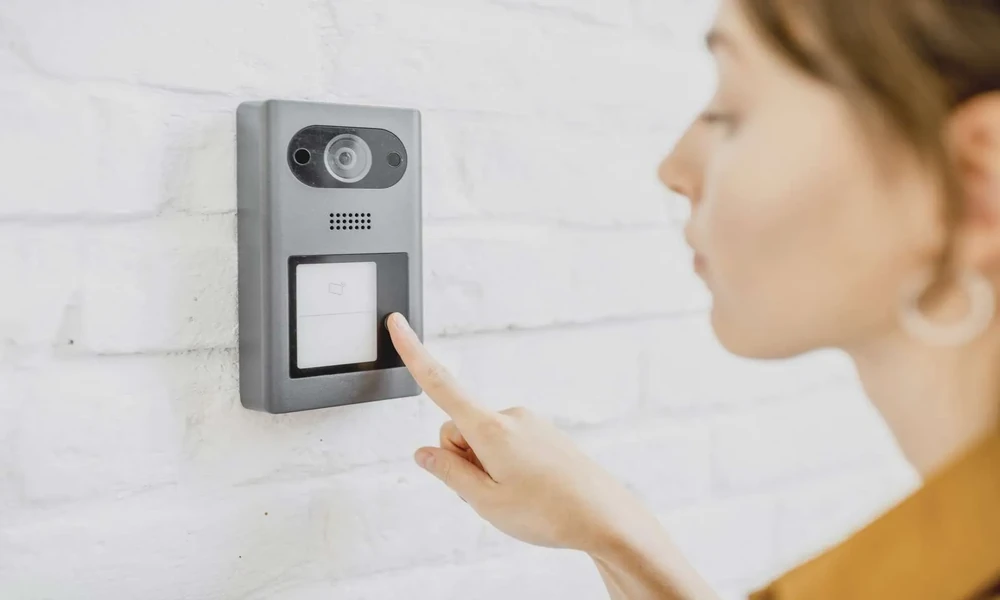
My neighbor Rick spent $700 on a camera system and still leaves his back door unlocked when he walks the dog. That’s the whole problem with home security in a nutshell. People buy the flashy thing and skip the boring thing, and the boring thing is usually what keeps a burglar out.
So here’s the deal. Most break-ins don’t involve genius criminals or high-tech defeat. They involve an open window, a flimsy strike plate, or a door someone forgot to lock. If you fix the physical weak points first and layer electronics on top, your house gets meaningfully harder to enter, and you sleep better. This guide walks through what to upgrade, what to skip, and the order I’d do it in if it were my own house.
Start With the Doors, Because That’s Where Everyone Starts
Roughly a third of burglaries happen through an unlocked door or window, according to the Federal Trade Commission. Read that number again and think about your own habits. A determined intruder will find a way in, but the lazy one, and most of them are lazy, is checking handles.
So step one costs nothing. Lock up. Every time. Then move to hardware. Your deadbolt should extend at least one inch into the frame. If you can see the bolt when the door is open and it looks stubby, that’s a cheap fix with real payoff. The screws holding your strike plate should be three inches long so they bite into the wall stud, not just the soft trim.
Here’s where I’d spend real money instead of buying another camera: a reinforced strike plate and a solid core or metal door on any entrance that faces an alley, a driveway, or a dark side yard. You can do this yourself with a screwdriver and twenty minutes. I’ve done it twice and I’m not handy.
Should You Rekey or Replace Your Locks?
If you just bought the house, or you’ve handed keys to a house sitter, a contractor, and a dog walker over the years, you have no idea how many copies are floating around. The National Institute of Standards and Technology maintains the standards that guide how locks and hardware are tested for durability, which is a good reminder that not every lock on the shelf is built the same.
Rekeying changes the pins inside your existing lock cylinder so your old keys stop working and new ones do. It’s faster and cheaper than swapping the whole lock, it keeps your existing hardware, and it takes a technician maybe fifteen minutes per door. Replacing makes sense when the lock itself is old, loose, or a brand you don’t trust.
My rule: rekey if the hardware is solid and under a decade old. Replace if the door sticks, the bolt wiggles, or the previous owner bought the cheapest thing at the hardware store. New homeowners in Rockford often bundle this with other residential security upgrades in Rockford, which is smart because you pay one trip charge instead of three.
A quick decision list
- Bought the house in the last year? Rekey everything.
- Gave a key to anyone who no longer needs it? Rekey.
- Lock is loose, rusty, or off-brand? Replace.
- Want to stop carrying keys at all? Consider a keypad deadbolt.
- Renting? Ask your landlord before you touch anything.
Smart Locks and Keypads: Worth It or Not?
Keypad deadbolts are the upgrade I’d recommend to almost anyone. No keys to lose, no keys to copy, and you can hand a plumber a temporary code instead of a key you’ll never get back. Some models log every entry with a timestamp, which is oddly reassuring when you’re on vacation and want to confirm the neighbor actually stopped by to water the plants.
What I’d skip: the $300 lock with a fingerprint reader and an app you’ll open twice. Battery life gets worse as features pile on, and a dead smart lock in February is a bad afternoon. Pick a model from a brand you recognize, keep a physical key hidden somewhere outside the house, and check the batteries on the same schedule you check your smoke detectors.
You’ll find a decent range of these at Home Depot or any hardware store, and installing one is genuinely a screwdriver job. Just measure your door’s backset before you buy, because the wrong size means a second trip.
The 20-Minute Walkaround Audit
This is the part most people never do. Grab a flashlight after dark and walk the outside of your house the way a stranger would. Here’s what you’re looking for, in order of importance.
- Shrubs or fences that hide a door from the street. Trim them back to waist height.
- Motion lights that don’t come on. Replace bulbs or the fixture.
- Windows with flimsy latches, especially on the ground floor and basement.
- A garage door opener from the 90s that any rolling code gadget can grab.
- Sliding doors without a dowel or pin in the track.
- Mail piled up or a dark house while you’re away. That’s an invitation.
Fix the first three and you’ve handled most of the realistic risk. The garage door one matters more than people think, and if your opener predates modern rolling code technology, replacing it is a weekend project with a clear payoff.
What I’d Actually Do First
If you handed me a $500 budget and a free Saturday, here’s my order. Rekey every exterior door. Add reinforced strike plates and three-inch screws. Install two motion lights over the darkest entrances. Swap one keypad deadbolt onto the door you use most, which is almost always the one from the garage or driveway. That’s a full day and most of the budget, and it beats a four-camera setup nobody watches.
Cameras are great for evidence after the fact and for peace of mind when a package goes missing. They don’t stop anyone. Locks, lights, and habits do.
Notice what all of this has in common? None of it requires a subscription. None of it requires
you to become a security nerd. It’s a Saturday, a screwdriver, and a willingness to walk around your own house looking for the weak spots you’ve been stepping past for years.
So here’s your move. Tonight, lock every door and window and actually check them. Tomorrow, walk the perimeter with a flashlight and write down what you find. Then call someone, or don’t, but fix the list either way. The camera can wait. The strike plate shouldn’t.