

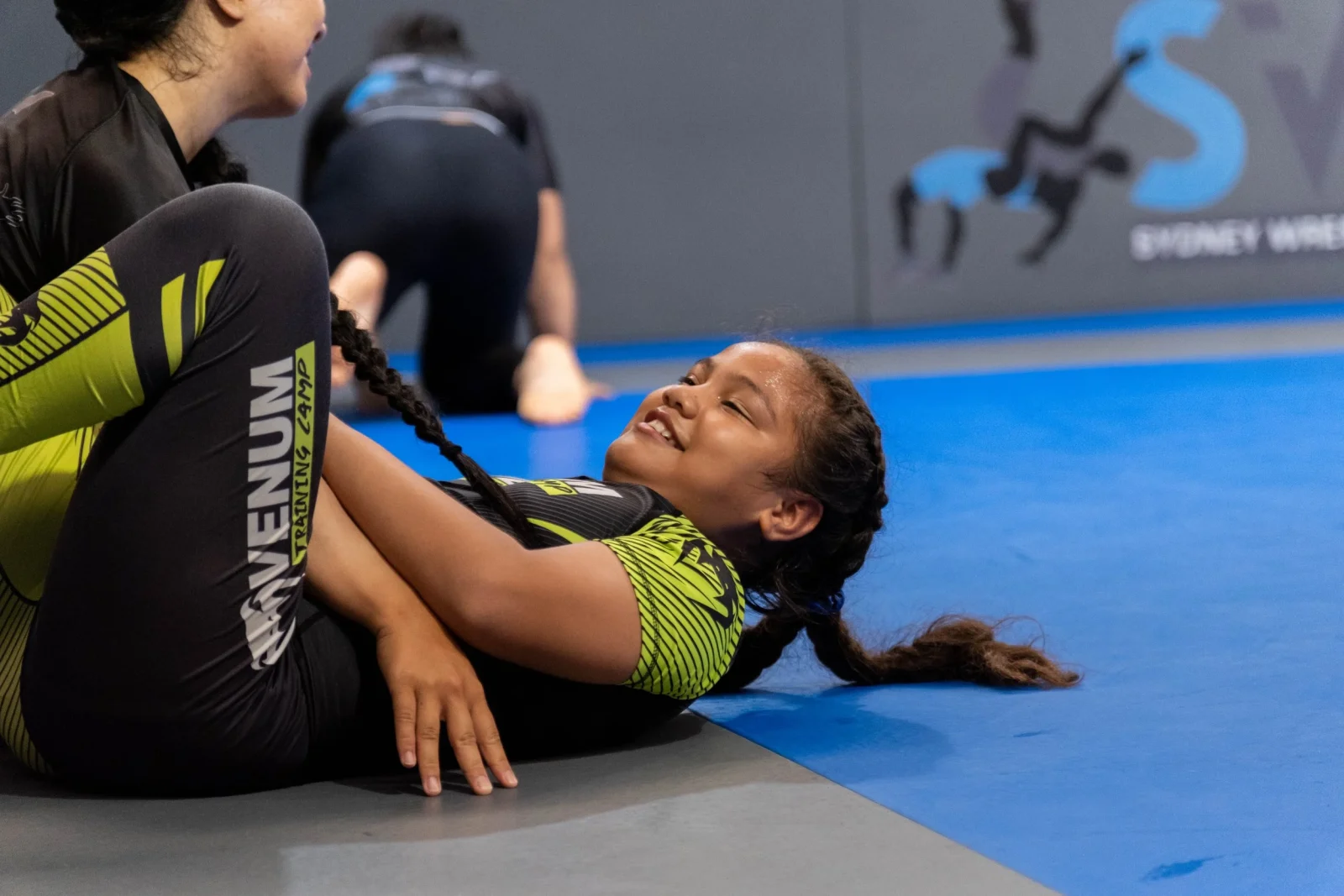
Wrestling training gives children a clear way to build strength, balance, and attention. It uses simple body movements that improve coordination and control. Many parents search for structured programs because they want safe physical activity that also supports discipline. When they look for options and see Book a Class, they are usually trying to find a reliable starting point.
The main interest behind this topic is not only fitness. Parents want better focus in school, improved listening skills, and healthy use of energy. Without a proper plan, training can feel random. Children may lose interest, and progress becomes hard to measure.Nonexistence of structure often leads to confusion. Some children train too hard. Others repeat the same drills without learning new skills.
Why Structure Matters More Than Natural Ability?
A planned approach creates predictable improvement. It reduces the risk of injury and builds confidence through small achievements.
Importantworkings of a structured program:
- Secure warm-up and cool-down routine
- Age-appropriate strength drills
- Clear practice duration
- Focus on technique before speed
- Regular rest intervals
- Simple progress tracking
These rules keep training safe and consistent.
Body Control Through Basic Drills
This method focuses on simple movements such as packed, rolling, and attitude practice. These drills improve balance and posture.
In real conditions, children repeat these actions every session. Over time, their movements become more stable.One difficulty is boredom during repetition. Short sessions help maintain attention.
Partner Practice for Social Development
Working with a partner teaches timing and awareness. Children learn to respect space and follow instructions.
During live practice, they adjust to different body sizes and strengths.A common limitation is fear of contact in the beginning. A slow introduction solves this issue.
Short Conditioning Circuits
Light circuits build stamina without overloading the body. They usually include push movements, core holds, and footwork patterns.
These circuits match the energy level of children and prevent fatigue.The challenge is maintaining correct form when tired.
Rule-Based Mini Matches
Controlled matches teach decision making. Children apply learned skills in a safe setting.They understand winning and losing without pressure.The main difficulty is emotional control after a loss. Guidance from the coach is required.
Progress Tracking and Feedback
Simple feedback improves motivation. When parents review class options and see Book a Class, they often look for programs that provide regular updates.
Tracking includes attendance, skill development, and fitness improvement.The limitation is inconsistency if sessions are skipped.
Step-by-Step Action Plan for Parents
- Choose a certified children’s program
- Fix two or three sessions per week
- Ensure proper warm-up habits
- Provide balanced meals and hydration
- Monitor sleep schedule
- Review progress every month
- Encourage effort, not winning
This plan keeps development stable.
Reality Check: Why Progress Feels Slow?
Many children compare themselves with others. This creates frustration.
Common mistakes include:
Growth also depends on school workload, sleep, and nutrition. Results change when these factors are not stable.Wrestling training supports physical health and mental discipline when it follows a clear plan. Small steps, regular practice, and honest review create lasting improvement. Progress comes from recurrence and patience, not from trying to achieve quick results.