

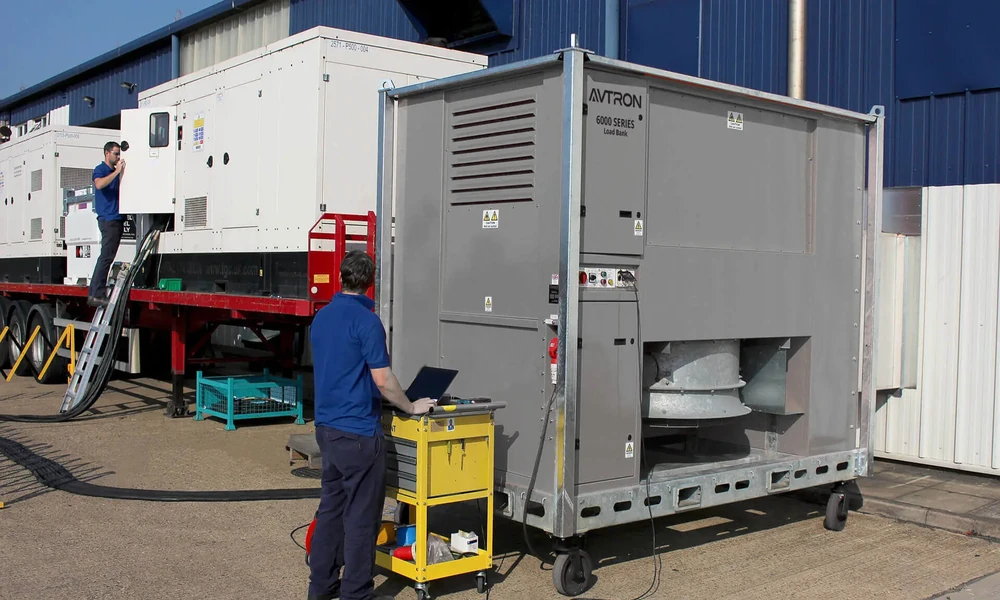
A generator started during a monthly exercise might fail when full power is required during an outage. Load bank testing services impose regulated electric loads to test the functioning of a generator in the real world. This article clarifies in which cases the services of load bank testing services Greenville SC are required. Periodic testing tunes back the backup power system to operate at the most opportune time.
Key situations that require professional load bank testing services
After new installation or commissioning
Shipping, handling, and installation can subject new power systems to a considerable amount of stress. The vibration of machines, or natural exposure to the environment, may degrade internal parts, which is why post-installation tests are an important step of validation. The commissioning procedure involves the assurances that the generators and transfer switches perform appropriately when fully loaded. The main situations when load bank testing is to be done are:
- Initial system commissioning after installation: This is to check on harmonious working together of the components after installation is completed.
- After factory acceptance testing: Site acceptance testing assures that transit damage was not incurred during shipping.
- Before facility handover documentation: Document the proper functioning of the end-users, prior to the ultimate handover.
After significant generator repairs
The load bank testing is especially essential after a major repair of a generator system. Repairs are confirmed to have made a full operation capacity and then one can depend on the system again. This timing understanding assists in guaranteeing a dependable performance after repair. Take into account the following reasons why testing is important after major repairs to a generator:
- Repair verification: Testing will confirm that the repairs were effective in regaining correct operation of the generators.
- Performance confirmation: Load testing is to confirm the ability of the generator to operate with full rated capacity once more.
- Early issue detection: Post-repair testing will identify the problems left or the newly emerged ones.
Following extended periods of inactivity
Generators which are not used on a regular basis usually have to be checked before they can be called upon to be utilized. Long periods of inactivity may impact on fuel quality, battery performance and overall mechanical preparedness. The realization of this need aids in the delivery of reliable performance as needed. These are some of the scenarios of long inactivity in which load bank testing is justified:
- Seasonal facility closures: After a long shutdown of a facility, testing to ensure that generators are available to power it is important.
- Post-storage evaluation: Generators that have been kept over a long period of time are usually provided with extensive performance assessment.
Meeting compliance and regulatory requirements
Industries, in particular, may have certain regulatory requirements that require them to conduct load bank testing of generators on a regular basis. These requirements assist business to stay compliant and contribute to the reliable backup power. Knowing these requirements aids in the elucidation of the testing scheduling requirements. Thus, the reasons load bank testing is needed are compliance-related:
- Industry regulations: There are areas in the industry that demand a load bank testing that is documented as part of the compliance requirements.
- Insurance requirements: There are insurance policies that may necessitate frequent testing to keep insurance coverage up to date.
- Warranty maintenance: Warranties by the manufacturer sometimes necessitate documented and frequent load bank testing.
Conclusion
Load bank testing is required in a variety of scenarios, including crucial facilities and post repair testing. The knowledge of these triggers will enable Greenville businesses to have reliable, compliant backup power systems. Regular testing is always important to maintain consistent reliability of generators.