

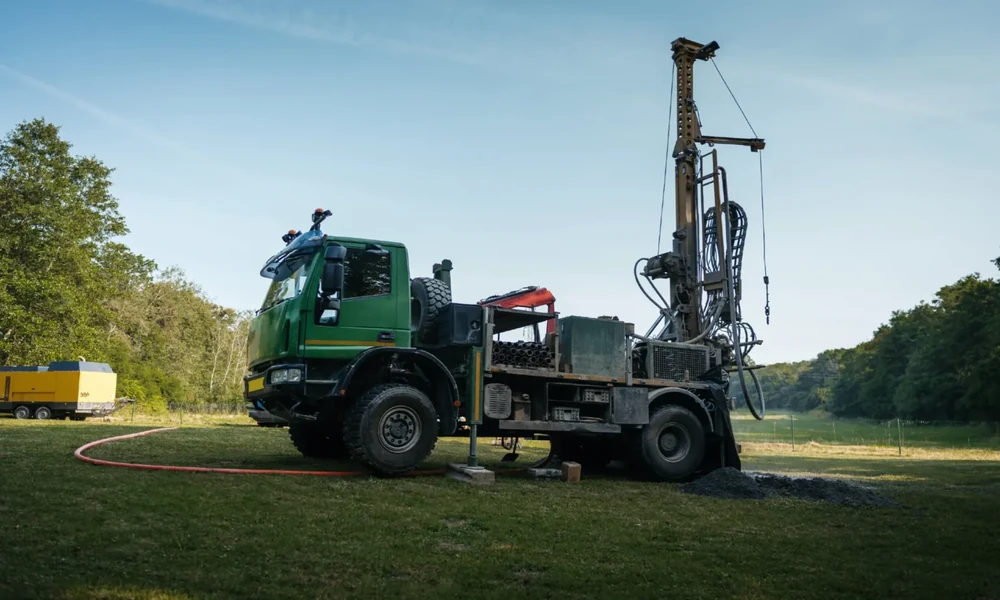
Planning a new private well is a major investment that demands the right contractor. Asking key questions about licensing, estimates, location, equipment sizing, and water testing helps you avoid costly mistakes. Here is your ultimate guide on what to ask before hiring a professional well-drilling contractor for your property.
Installing a private water well is one of the most significant upgrades you can make to your property. It grants you independence from municipal water supplies and delivers a reliable source of fresh water every day. However, long-term performance depends entirely on who executes the project. Choosing the right well-drilling contractor ensures system reliability, safety, and full regulatory compliance. When investing in well drilling for rural properties, asking targeted questions upfront protects your wallet and your household’s health. Before signing any contract or breaking ground, make sure you cover these essential questions with your potential contractor.
Essential Questions to Ask Before Hiring
1. Are You Fully Licensed, Insured, and Permitted?
Before any work begins, verify that your contractor holds valid state and county licenses. They must carry general liability insurance and workers’ compensation to protect your property from accidental damage or on-site injuries.
- Verify active licensing credentials with your local state drilling board.
- Confirm the contractor handles all necessary local drilling and groundwater permits.
- Ensure they follow proper setback requirements, such as staying at least 50 feet away from septic tanks.
A trustworthy professional manages the permitting process for you, preventing compliance delays and unexpected fines.
2. What Exactly Is Included in Your Price Estimate?
Well-drilling quotes can vary based on soil conditions and equipment demands. You need a detailed, written estimate that clearly outlines every phase of the project so there are no surprises later.
A comprehensive estimate should detail the drilling cost per foot, casing materials, pump installation, pressure tank setup, and post-drilling site cleanup. Knowing whether water quality testing is included in the base rate prevents unexpected out-of-pocket expenses.
3. How Do You Determine Well Depth and Placement?
Selecting the right spot for your well requires hydrogeological expertise rather than guesswork. Contractors analyze local water tables and terrain features to find an aquifer capable of yielding clean water.
- Evaluating local water table depths and underground soil layers.
- Maintaining proper distance from septic systems, property lines, and driveways.
- Selecting optimal equipment for well drilling for rural properties to handle challenging ground conditions.
Expert contractors evaluate accessibility for heavy drilling rigs while minimizing impact on your landscaped lawn.
4. Do You Handle System Sizing and Water Quality Testing?
A functional well system involves far more than just drilling a deep hole. You need proper equipment sizing and water treatment solutions tailored to your household’s daily consumption.
Your contractor should assess peak water demand to recommend the ideal pump size and pressure tank capacity. Additionally, they should perform comprehensive water testing for minerals or iron, installing filtration or water softeners if required to guarantee clean drinking water.
Key Considerations for Project Execution
What Equipment and Materials Will Be Used for Construction?
The overall lifespan and purity of your well depend heavily on the quality of casing and piping installed underground. Asking about material specifications upfront ensures your water infrastructure holds up against ground shifting and soil corrosion over time.
- Choosing high-grade steel or heavy-duty schedule 40/80 PVC casings based on geology.
- Installing high-efficiency submersible pumps designed for long operational life cycles.
- Utilizing proper grouting procedures to seal the well head against surface runoff contamination.
Contractors who prioritize high-grade components protect your investment from premature pump failure and frequent service calls.
Ongoing Protection and Upkeep
What Warranties and Ongoing Maintenance Services Do You Offer?
A reliable contractor stands behind their craftsmanship and provides support long after the drilling rig leaves your driveway. Understanding warranty coverage on both labor and mechanical components gives you long-term security.
Clarify whether warranties cover the physical well structure alongside the mechanical pump and pressure tank. Partnering with a team that offers routine maintenance, emergency repair services, and routine water sampling keeps your system operating smoothly for decades.
FAQs
What happens if the contractor drills and doesn’t find water?
Reputable contractors use local hydrogeological data to minimize dry hole risks. However, if a well yields insufficient water, you typically remain responsible for the drilling labor cost per foot.
How long does the well-drilling process usually take?
The physical drilling process usually takes one to three days. However, permitting, pump installation, and final water safety testing can add several days to the overall timeline.
How do I know what size well pump I need?
Pump size depends on well depth, static water levels, and household peak usage. A qualified contractor calculates required gallons per minute to match your family’s routine needs.
Does the drilling contractor clear the necessary local permits?
Most licensed contractors handle state and county well permits on your behalf. Always double-check that permit fees and filing paperwork are explicitly included in your contract.
Will I need a water treatment system after drilling?
Water testing determines if treatment is necessary. If tests reveal hard minerals, iron, or unpleasant sulfur odors, your contractor can install filtration systems or softeners.
Conclusion: Making a Confident Hiring Decision
Hiring a well-drilling contractor is a critical step in securing clean, reliable water for your home. By asking targeted questions about licensing, comprehensive estimates, hydrogeological evaluation, and equipment sizing, you safeguard your property and investment. A skilled, licensed contractor will happily explain their process, manage local permits, and ensure your system meets strict environmental standards.
Investing time in upfront planning prevents costly repair hassles down the road. Whether you require a brand-new installation, equipment replacement, or specialized well drilling for rural properties, partnering with an experienced team gives you complete peace of mind. Taking these proactive steps guarantees your family enjoys safe, high-quality water for decades to come.
==========================================================================