


Charcoal cooking is somehow different. The smell, the slowness of the sizzle, that slightly smoky taste, it is more real. This is what has made Kamado grills so popular among outdoor cooking lovers. They are not just grills. They resemble cooking systems more than one.
Nevertheless, you do not need to install one in your outdoor kitchen in a freight, so a little bit of planning can save you a lot of headaches in the future.
What Makes Kamado Grills So Appealing?
The reason why Kamado grills are unique is actually a few.
Here is why:
- Rich charcoal flavour – The clay body traps the smoke, which circulates through the ceramic body, enriching the food’s flavour.
- Incredible versatility – It can grill, roast, smoke, or bake. It is steaks one day, and the next it is slow-cooked brisket.
- Strong heat retention – Ceramic thickness of the insulation ensures that the temperatures remain constant during long cooking times.
It is this mix of flavour, flexibility, and efficiency that makes kamados feel special.
Installation Realities You Should Know
Building a kamado into an outdoor kitchen is not exactly plug-and-play. A few details matter more than you might expect.
Grill Height Considerations
The kamados are higher than the normal built-in grills. The bottom of the structure may need to be lower to make the cooking surface comfortable. It is imperative to measure in advance; an insignificant error in this case can render the cooking process difficult.
Airflow and Vent Access
Unlike gas grills, kamados rely on airflow control. The bottom vents must remain accessible at all times so you can regulate temperature. That means you cannot fully seal the grill inside an enclosed cabinet.
Accessory Storage Needs
Owning a kamado usually comes with a growing collection of extras, such as:
- Heat deflectors
- Pizza stones
- Charcoal and wood chips
- Cleaning tools
Planning storage space early keeps everything organised and protected from weather.
Product Perspective: Everyday Cooking Experience
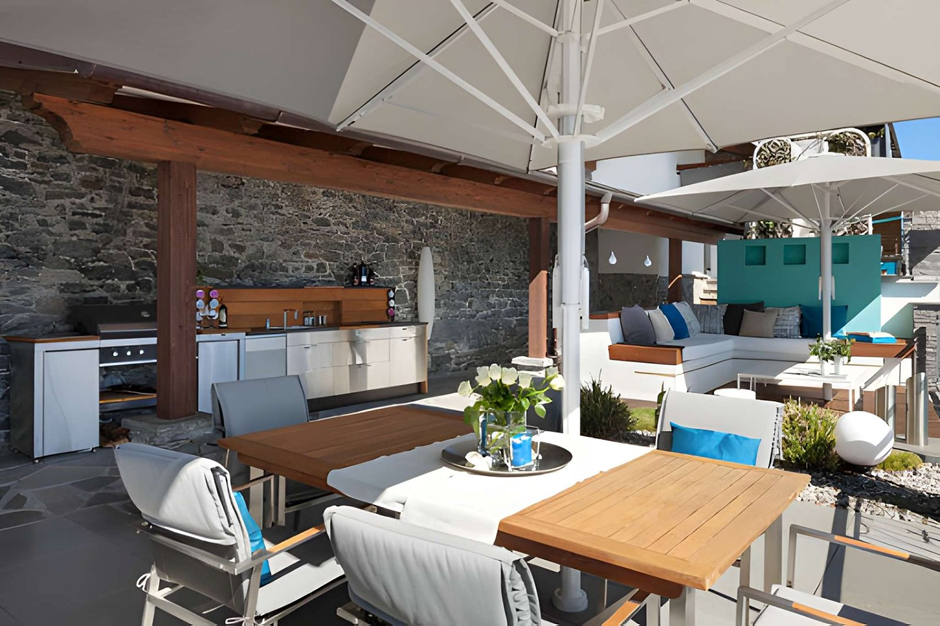
The Kamado outdoor kitchen installation is planned to make it all, airflow, workspace, and storage, one seamless cooking experience. When installed well, the grill would feel like an integral part of the house, not something forced into it. BBQs2u offers useful layout inspiration and practical advice on their webpage, helping homeowners understand how to design around these ceramic grills effectively.
In daily use, the difference is noticeable. Temperature control becomes surprisingly precise once you learn the vent system. Charcoal lasts longer than expected thanks to the insulation, and food retains moisture beautifully. Long smoking sessions feel steady, not stressful. It does take a bit of practice; nobody masters it instantly, but once you get comfortable, cooking outdoors becomes far more enjoyable and creative.
Final Thoughts
Adding a kamado grill to your outdoor kitchen is not just about buying a new appliance. It is about upgrading how you cook outdoors altogether.
With proper planning for height, airflow, and storage, you will create a setup that performs reliably, handles changing weather, and encourages you to cook outside more often. And honestly, once you start using it, you will probably look for any excuse to fire it up.